


BSL and ASL interpreting are incredibly important in terms of making video accessible to users of sign language.
Voiceover and Dubbing
These posts are about Voiceovers and Dubbing

At Capital Captions, we truly care, not only about our clients (producers and video makers), but about their end client – the target audiences of our work, namely, Deaf, Hard of Hearing and Vision Impaired viewers worldwide.
At Capital Captions, we always recommend using professional closed captioning, audio description, and British Sign Language (BSL) services to ensure accuracy, consistency, and compliance with accessibility standards.

As a feature film and documentary subtitling company we subtitle countless films and documentaries every year.
The British Film Institute (BFI) offer funding for short films through the National Lottery Funds designated for film. When submitting a film to BFI, open captions, closed captions and audio description are required as enhanced access materials.
When distributing video content, accessibility is important because it ensures you’re your film reaches the widest possible audience. Closed captions are often the first port of call when it comes to accessibility for video content, but for Deaf and Hard of Hearing viewers, sign language can be crucial.

Making accessibility services videos to ensure inclusion is crucial because it ensures that everyone, regardless of ability or background, can fully engage with and benefit from video content.

ASL and BSL Interpreting is an optimum way for content creators to expand their reach and impact. British and American Sign Language – Enhancing accessibility, Inclusion and Understanding is a great way to do this.
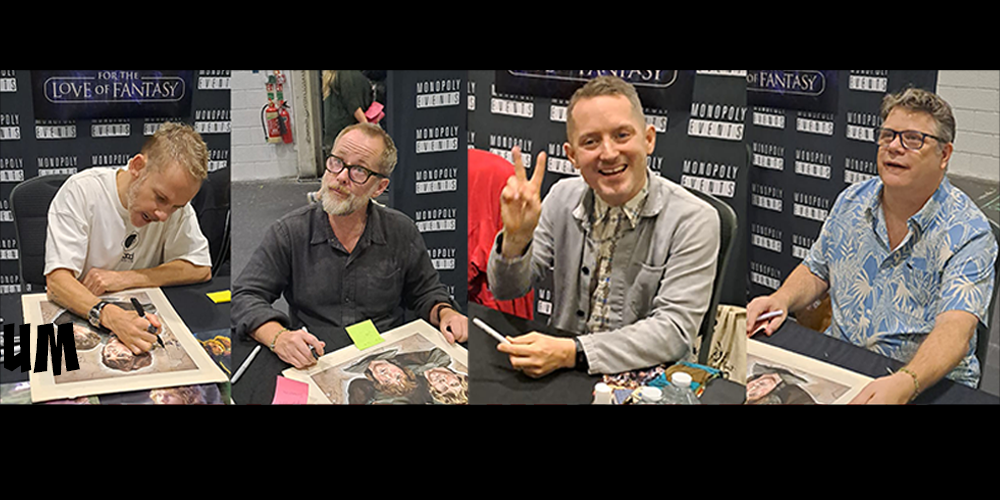
There is a magic to movies—a flickering, golden spell that draws us into new worlds, lifts us out of the ordinary
Audio description services involve recording and overlaying an audio track to a video, which describes visual elements