


Voiceover translations for narrated videos can be the best choice when it comes to a naturally flowing video experience for foreign viewers. Whilst dubbing, syncing voice translation to a speaker’s facial movements doesn’t always have the most natural results, some viewers still prefer the audio translation route to traditional subtitling. Translating audio and seamlessly integrating a new speaker with an existing video can be an arduous task, requiring professional translators, voice artists and video editors. There are a few key mistakes that can lead to less than optimal results, and these need to be avoided. Below we’ll take a look at the top 5 voiceover and dubbing mistakes that can happen.
-
Voice Artists Compatibility
The first and most important consideration when adding voiceover and dubbing translations to your videos is in choosing the right artist. Gender, age, accent and tone should be taken into account, choosing a style that suits the overall tone of your video. This is especially important when working with video translation when working with languages that spread across regions. To clarify, if you are working with video content targeted to a Brazilian audience, it would be best to use a speaker of Brazilian Portuguese as opposed to European. Accent is something that might not be considered first hand when dealing with foreign languages. However, getting it wrong can have a huge effect on your audience’s engagement.
-
Syncing Audio to Video
Timing is key for audio translation work. For voiceover narration, getting the timings wrong can leave viewers with silent visual content, which may stunt the flow of a video. Getting the sync wrong with dubbing can have an even more detrimental effect as it can be frustrating to watch actors lips move with no sound coming out. Similarly, badly timed dubs can also leave viewers confused as to who is supposed to be speaking.
-
Video Localisation and Translation
Whilst voiceovers, audio translations and dubbing are a great way to open up video content to foreign audiences, the most important aspect in translation is always the words. The scripts used for voiceovers should always be professionally translated and localised. No matter how appealing the sound of an artist’s voice on a video, there is no real added value if what they are saying doesn’t make sense.
-
Seamless Video Editing
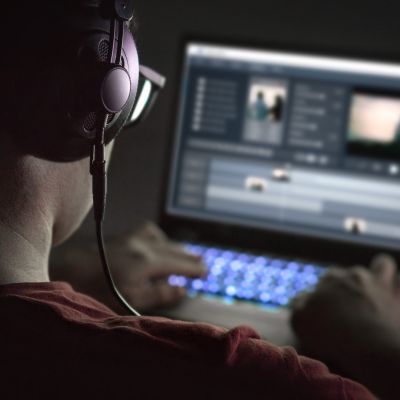
Badly edited voiceovers come in many different forms. It may be that audio levels are too loud or quiet for inserted speakers. In addition, it may be that audio channels have been lost or clash with the new audio feeds. A well edited voiceover should blend perfectly with the original video, leaving the viewer believing that what they are watching is in fact, an original piece of content.
-
Packaged Professional Voiceover, Subtitling and Translation Services
The production process involved in creating voiceovers involves many stages. Firstly there is transcription, and subsequently, translation, subtitling, recording and video editing. Whilst it may be tempting to attempt to save by automating aspects of the process or taking on the work yourself, the most effective option should be to work with a translation company to package every aspect of the voiceover. Working with packaged services means lower costs, faster turnarounds, and a more consistent, high quality end product.
So there you have it, our top five voiceover and dubbing mistakes when working with video translation and accessibility. If you have a video which requires translation or audio description, why not contact us today and speak to one of our friendly members of staff and we’ll give you the lowdown on the best techniques to use. Alternatively use the quote button below to see the video services we offer.
Ready to make your videos accessible?
Get fast turnarounds, if you have a project you need subtitled, get your project started today.