

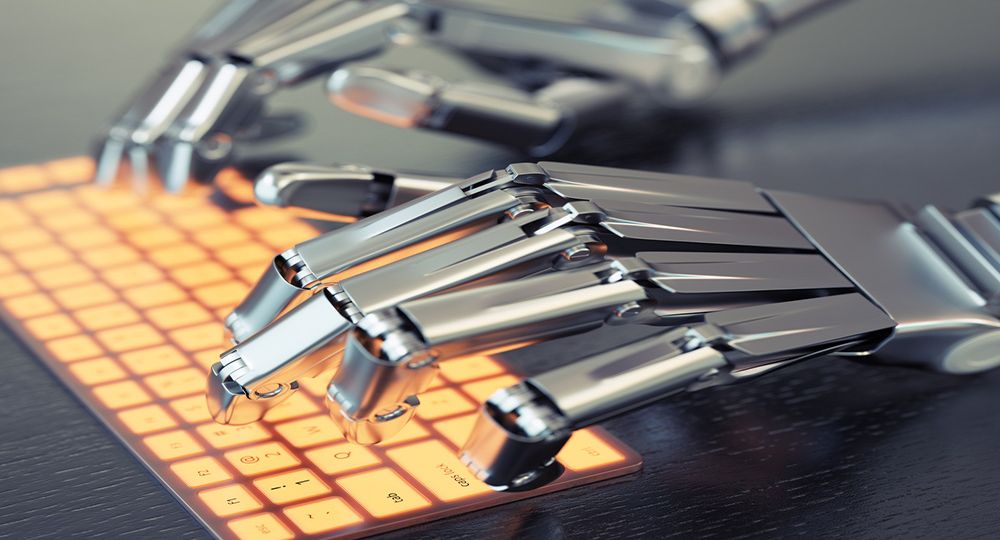
At Capital Captions, we believe in the value of human writers and don’t work with any AI captioning in-house. However, we do provide AI caption proofreading services to make changes to improve AI generated captions. If you have automated captions that have been in use for online content and would like to improve them in order to better engage with audiences, visit Capital Captions.
If you are looking to broadcast your content on television, cinema or streaming services, Capital Captions can work with you to enhance your captions to professional quality, covering a range of formats including:
- EBU-STL
- EBU-TT
- SCC
- DFXP
- WebVTT
- and even DCP.
But rather than delving into our services and what they include, let’s focus on the rise of AI captioning and accessibility services, and what is the difference and potential for AI versus human captioning in the industry.
The Closed Captioning Industry and Artificial Intelligence
With AI being used increasingly for subtitles and closed captions, it’s easy to assume that low cost AI and autogenerated subtitles may suffice for your video projects. But take it from professionals, there is more to captioning than meets the eye, and human services are here to stay. In this blog, we’ll look into developments in captioning AI and whether what’s on offer is truly good value or a waste of time and money.
AI automated Captions!
Professional Closed Captioning Services or AI – Which is Best?
Human caption writers and translators are able to capture context, nuance, and cultural references that AI services will often miss. This can be crucial when captioning for Deaf and Hard of Hearing audiences. Human understanding and experience means professional captioners will easily transcribe content accurately, even when dealing with accents, slang, homophones, and background noise.
Using AI in these types of videos can often result in errors that confuse viewers. Professional captioners can importantly make creative decisions to enhance accessibility and comprehension for all audiences. These include choices around timing and where to split a subtitle to time a punchline, or allow reading time for viewers. Choices can also include when to condense a sentence in the interests of time or clarity, and when to omit unnecessary words and/or fillers.
Will Professional Captioning and Subtitling Become Obsolete?
Often due to choices around budgeting, AI captioning technology has become increasingly popular, especially in the online space. However, it is still unlikely to fully replace professional captioners in the foreseeable future. While online content is often subtitled for SEO purposes, broadcasters and online streaming services require professional captions that adhere to strict guidelines and meet set standards.
Captions that pass regulations and guidelines should convey tone, humour, and give context, and many of the elements that make up high quality closed captions for the Deaf and Hard of Hearing require informed human choices.
While AI can serve as a useful tool for producing quick, low-cost captions for straightforward videos, professional captioners are much more able to provide the human elements of description. These choices include indicating sarcasm, the emotional tone of background music, choosing how to describe a sound without giving away too much information or not conveying enough. They are also better able to identify speakers by voice, which can be crucial to hearing impaired audiences.
So there you gave it, a quick guide to what we think about AI Proofreading services and how it effects the work people produce. If you have a project you’re working on and would like us to help, then why not click the button below for a free quote today.
Ready to make your videos accessible?
Get fast turnarounds, if you have a project you need subtitled, get your project started today.