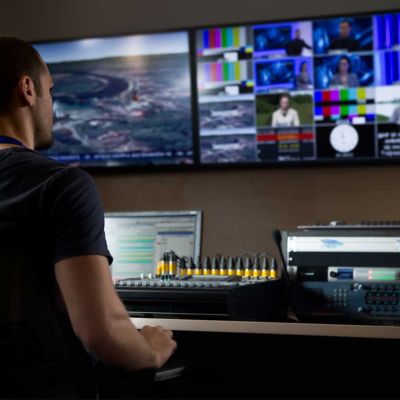



Making accessibility services videos to ensure inclusion is crucial because it ensures that everyone, regardless of ability or background, can fully engage with and benefit from video content. Video Accessibility services, such as closed captioning, sign language interpreting, audio description, subtitles and translation, break down barriers that might otherwise exclude individuals with hearing, visual, or language challenges. By promoting inclusion and equal access, accessible videos foster a more diverse, equitable, and welcoming environment for all viewers. Additionally, accessible video content can reach larger audiences, comply with legal requirements, and demonstrate a commitment to social responsibility.
Closed captioning for the Deaf and Hard of Hearing
Closed captioning for the Deaf and Hard of Hearing involves converting spoken dialogue into text, also describing sound effects, and other relevant audio information to give context and enhance understanding. Captions appear onscreen in real-time, allowing individuals who are deaf or hard of hearing access to video content. By providing essential information that might otherwise be missed, closed captioning ensures that everyone can fully participate in and benefit from video content, fostering greater accessibility and inclusion. So adding accessibility services to ensure inclusion always makes a difference.
In-Vision ASL & BSL Interpreting (British and American) for the Deaf and Hard of Hearing
In-vision sign language interpreting works by featuring a live or pre-recorded interpreter, typically visible in a corner of the video screen. The interpreter translates spoken content and onscreen text as required, into sign language. BSL and ASL interpreting ensures that the tone and nuances of spoken language are replicated in a way that closed captions don’t always allow. For this reason, adding sign language interpreting ensures that video content is accessible and inclusive for a wider audience.
To ensure global accessibility, for English speakers, it’s recommended to provide interpreting in both American Sign Language (ASL) and British Sign Language (BSL). This is due to the fact that there are significant differences between both languages. In-Vision sign language interpreting allows Deaf and Hard of Hearing viewers who use sign language as their preferred means of communication to access and understand and fully appreciate the tone and meaning of video content in real time.
Audio Description for the Blind and Visually Impaired
Audio description for the blind and visually impaired is a specialised video accessibility service that involves narrating key visual elements of a video, such as actions, settings, facial expressions, and scene changes. This narration is recorded as a voiceover file that is overlayed onto a video (switched on and off) as required by the viewer. Descriptions are inserted in between natural pauses in dialogue so they can be fully heard without other sound/dialogue being interrupted. By providing essential visual information through audio, audio description ensures that video content is accessible and inclusive. The aim of audio description voiceovers is to make video content fully accessible to blind and visually impaired viewers.
Subtitles and Video Translation for Foreign Audiences
Subtitling is the go-to method for ensuring video content is accessible for foreign speaking audiences. Unlike closed captioning for the Deaf and Hard of Hearing, subtitles intended for translation purposes typically only include dialogue as the target audience can hear sound effects and should be able to more easily identify speakers and tone from the source audio.
Video Dubbing and Voiceover Translations
Similar to subtitle translation for foreign audiences, dubbing is intended to make video accessible in terms of translation from one language to another. While voiceovers are often used for narration in videos, dubbing is a much more specialist services. Video and audio dubbing requires multiple actors/actresses who will voice dialogue into the translated language. Text translations will be created for this purpose, taking care to match lip sync and timing as much as possible. Whether dubbing or subtitling is the more natural option for ensuring accessibility for foreign audiences is a contentious issue, with some preferring subtitles in order to maintain the tones of the original actors, and others who prefer to focus on the visuals of a film without reading subtitles, preferring foreign video dubbing.
So there you have it, a comprehensive guide to accessibility services to ensure inclusion and how they would help your audiences. If you have a project that you would like captioned, dubbed or translated for accessibility purposes, then why not contact us today to see what we can offer you. Just click the quote button below.